Middlebury College

Conquered Territories
Images of land were powerful instruments of authority in early modern Europe. Paintings, maps, and views of cities and landscapes transformed territories into something that could be seen, understood, ordered, and possessed. These images documented the abundance, commerce, resources, and prosperity of places across Europe and beyond, allowing distant territories to be brought before audiences who might never see them in person.
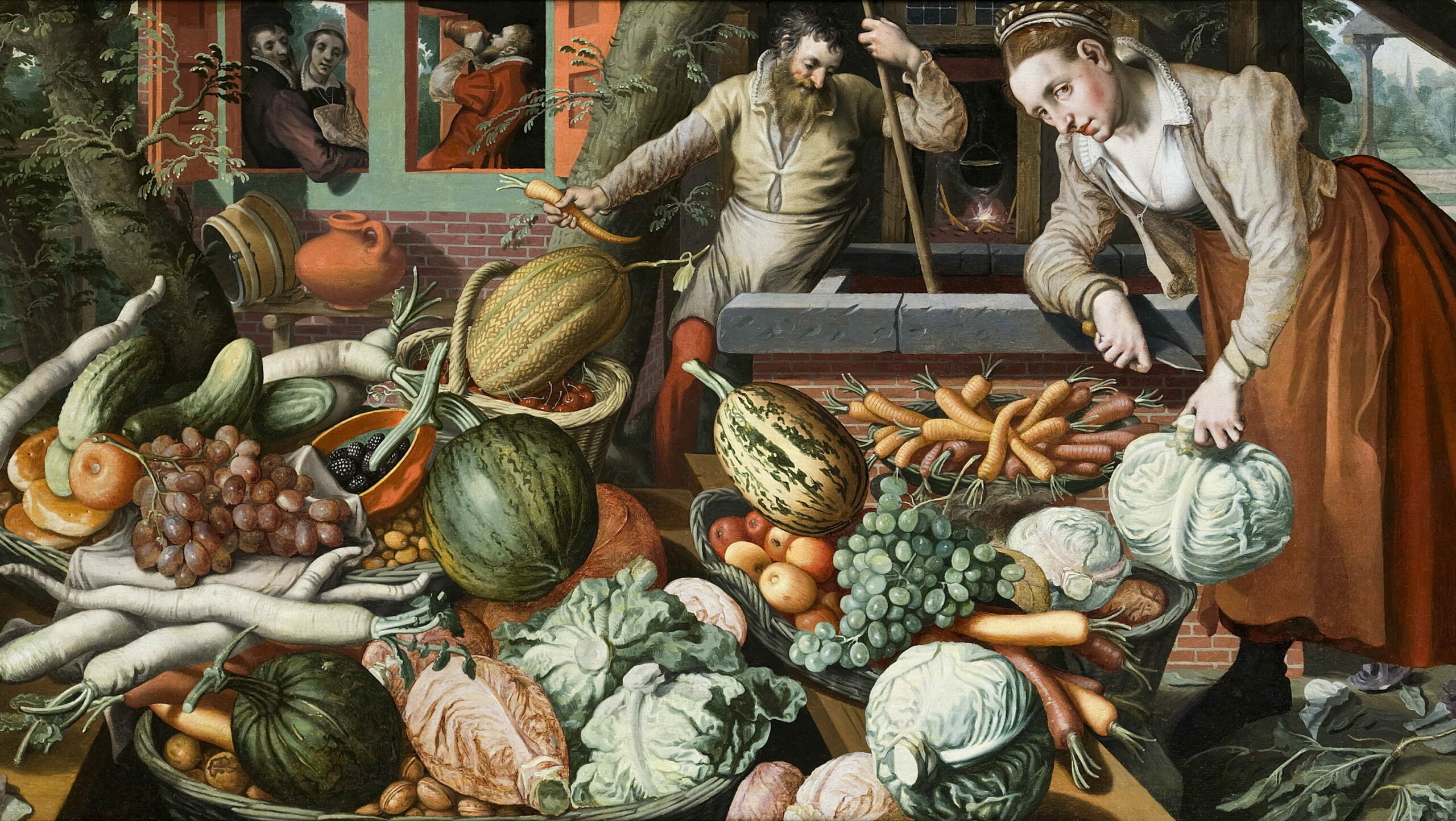
The works in this gallery were not created by Swedish artists to celebrate Swedish territory. They were made to represent places, people, and environments belonging to other nations and cultures. Their original purpose was to document and commemorate the world beyond Sweden: its landscapes, its cities, its markets, its resources, and its wealth. Yet when these paintings were seized and transported to Sweden as war booty, their meaning changed.
What had once celebrated the abundance and prosperity of another place became evidence of Swedish power. The land, commerce, and resources represented within these paintings were no longer simply foreign subjects to be observed; the paintings themselves became objects through which Sweden could display the reach of its military victories. By removing images of other territories from their original contexts, Swedish forces effectively claimed not only the objects, but a visual representation of the worlds they depicted.
In this way, plunder transformed images of foreign places into trophies of conquest. The paintings preserved what had been taken—land, wealth, culture, and knowledge—while simultaneously demonstrating that Sweden had acquired the power to take it. Together, these works reveal how conquest extended beyond the battlefield: it could reach into the visual record of another society and bring its representations home as proof of Swedish expansion.